
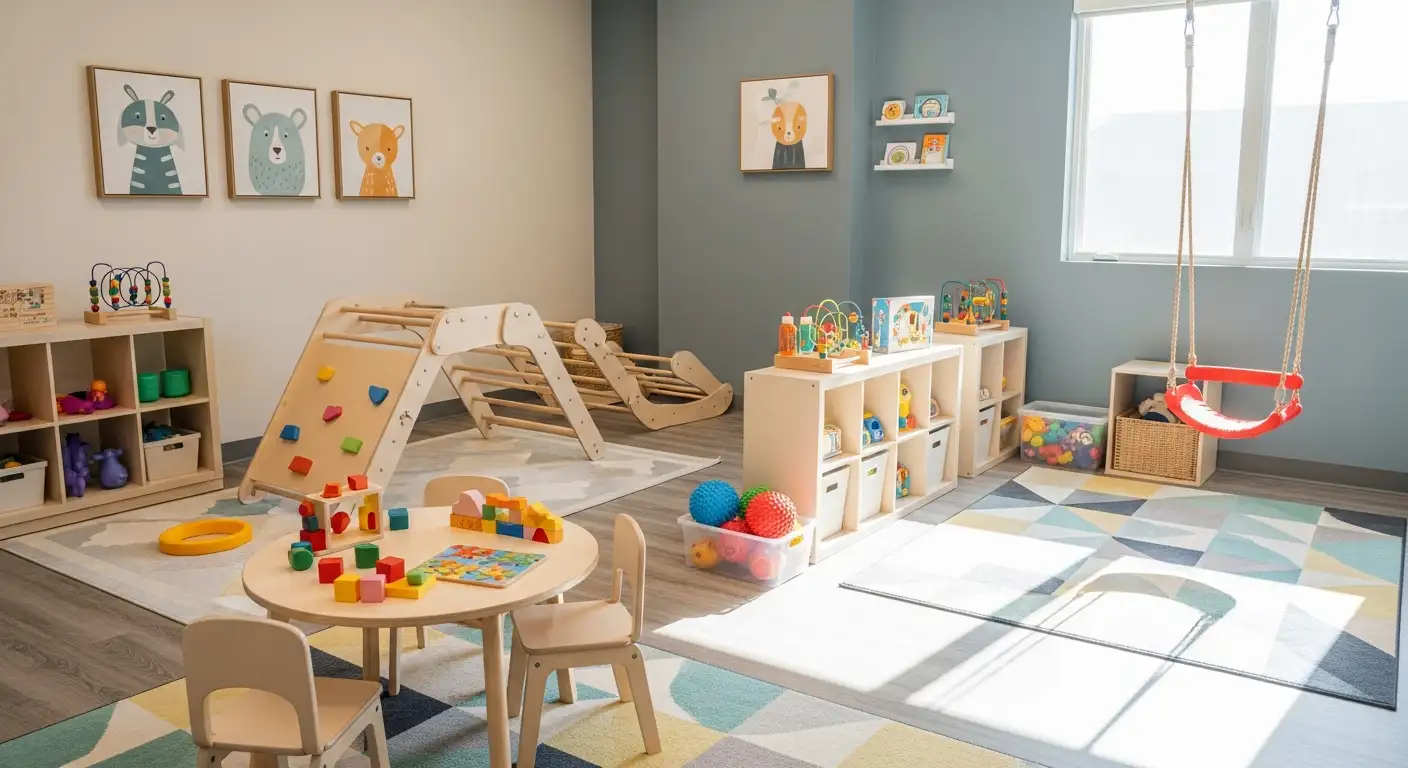
Unlocking Potential Through Play in ABA Therapy
Applied Behavior Analysis (ABA) therapy is widely recognized as an effective intervention for children with autism. Traditionally viewed as a structured and clinical method, recent advancements emphasize the integration of play into therapy sessions. This evolution enhances engagement and learning outcomes, making therapy a more natural and enjoyable experience for children. Our exploration delves into how incorporating play within ABA therapy benefits children with autism by fostering communication, social skills, and problem-solving abilities, all while addressing core behavioral goals.
Understanding Behavioral Therapy for Autism

What is behavioral therapy for autism?
Behavioral therapy for autism primarily involves Applied Behavior Analysis (ABA), a well-researched and evidence-based approach. ABA works by analyzing behaviors and the contexts around them to understand and effectively change behavior patterns. This therapy is designed to enhance communication, social interaction, and daily living skills while reducing problematic behaviors.
How is ABA used in autism therapy?
ABA therapy uses structured interventions tailored to each child’s needs. It focuses on breaking down skills into manageable parts and teaching them systematically. Positive reinforcement plays a central role: rewarding desirable behaviors encourages children to repeat them. Caregivers and therapists collaborate to provide consistent support both during sessions and at home.
What role do structured interventions play?
The structured nature of ABA sessions helps children develop routines and build stability. Consistent practice and reinforcement during these sessions help establish habits that support learning. Early intervention with ABA, preferably in early childhood, significantly improves developmental outcomes and provides a foundation for future social and learning skills.
Which techniques are commonly employed?
Key ABA techniques include:
- Positive Reinforcement: Using rewards or incentives to encourage preferred behaviors.
- Discrete Trial Training (DTT): Teaching skills in small, controlled steps.
- Pivotal Response Treatment: Focusing on key behavioral areas to produce widespread improvements.
- Natural Environment Teaching (NET): Embedding learning opportunities within real-life activities.
Modern ABA also emphasizes more natural, child-led approaches incorporating play to enhance motivation and generalization of skills. These methods allow children with autism to learn effectively in engaging and meaningful contexts.
How ABA Therapy Works: Core Principles and Techniques
Principles of ABA Therapy
Applied Behavior Analysis (ABA) therapy in autism applies learning and behavioral science principles to promote positive behaviors and reduce challenges. It relies on understanding the A-B-C framework: Antecedents (what happens before a behavior), Behaviors (the observable actions), and Consequences (responses following the behavior). This helps therapists identify triggers and reinforce desired behaviors effectively.
Use of Positive Reinforcement and Prompting
ABA emphasizes positive reinforcement, offering rewards or incentives to encourage desirable behaviors. Prompting techniques are used to guide children toward correct responses, with prompts gradually faded to foster independence over time. This approach makes learning encouraging and supportive.
Core Techniques
Discrete Trial Training (DTT) breaks skills into small, teachable units in a structured setting, allowing precise teaching and repetition. Natural Environment Teaching (NET) involves practicing skills within real-life contexts to promote generalization and engagement. Pivotal Response Treatment targets pivotal areas like motivation and self-management to improve a broad range of behaviors simultaneously.
Assessment and Individualized Treatment Planning
A trained professional, often a Board Certified Behavior Analyst (BCBA), conducts detailed assessments to understand each child's unique needs. They create individualized plans that divide skills into manageable steps and set clear goals, ensuring therapy is tailored for maximum impact.
A-B-C Behavioral Framework
ABA therapy uses the Antecedent-Behavior-Consequence model to analyze behavior patterns. By modifying antecedents and adjusting consequences, therapists shape behaviors in a positive direction, fostering growth in communication, social interaction, and daily living skills.
Research indicates that consistent, intensive ABA therapy integrating these principles and techniques can lead to meaningful improvements in children with autism across various domains, including communication, social skills, and behavior management.
The Role of Specialists in Delivering ABA Therapy
Who typically provides behavioral therapy for individuals with autism?
Behavioral therapy for individuals with autism is usually provided by specialized professionals such as Board Certified Behavior Analysts (BCBAs), licensed behavior therapists, and practitioners trained in autism intervention. These experts design and apply personalized treatment plans using evidence-based methods, including Applied Behavior Analysis (ABA).
Role of Board Certified Behavior Analysts (BCBAs) and licensed therapists
BCBAs are highly trained specialists responsible for assessing the individual’s needs, setting therapy goals, and overseeing the implementation of ABA techniques. Licensed therapists often deliver the day-to-day therapy under BCBA supervision. They use methods like positive reinforcement and discrete trial training to help develop communication, social, and functional skills.
Collaboration with families and caregivers
Specialists work closely with families to provide training and support aimed at reinforcing learned skills in daily environments. Parental involvement is encouraged to maintain consistency, promote skill generalization, and ensure routines are followed at home and other settings.
Training and supervision requirements
Professionals delivering ABA therapy undergo rigorous training and certification, with continuous supervision by BCBAs to ensure adherence to best practices. This ensures the therapy is tailored, effective, and adapted as the child progresses.
Goals of Behavioral Therapy in Autism Treatment
What are the main goals of behavioral therapy for autism?
Behavioral therapy, especially Applied Behavior Analysis (ABA), focuses on improving key areas for children with autism. One major goal is to enhance communication and social skills, helping children express their needs and connect with others more effectively. Another important objective is increasing independence by developing daily living skills like self-care and following routines.
Reducing challenging behaviors, such as aggression or repetitive movements, is also central. ABA achieves this by breaking down tasks into smaller steps and using positive reinforcement, rewarding desirable behaviors to encourage them.
Individualized goals are set after assessing each child's unique needs. Therapists collect ongoing data to monitor progress and make data-driven adjustments to ensure the best outcomes. This personalized approach helps build pivotal skills like motivation and communication initiation, which broadly impact learning and social growth.
By targeting these areas, behavioral therapy strives to enhance functional independence and improve the overall quality of life for children with autism.
Evidence Supporting the Effectiveness of Behavioral Therapy for Autism
How effective is behavioral therapy for autism?
Behavioral therapy, especially Applied Behavior Analysis (ABA), is backed by robust scientific research demonstrating its effectiveness in improving communication, social skills, and reducing challenging behaviors in children with autism. ABA's approach uses principles of behavioral science such as positive reinforcement, prompting, and task analysis to teach new skills and encourage desirable behaviors.
Role of early intervention
Research strongly supports initiating ABA therapy in early childhood. Early treatment leads to better outcomes by laying a solid foundation for future learning and social interaction. Early intervention helps children develop functional skills like communication and self-care more efficiently, increasing long-term gains.
Outcomes in communication, social functioning, and behavior reduction
ABA therapy techniques including discrete trial training, natural environment teaching (NET), and pivotal response treatment have been shown to improve communication and social functioning. Play-based ABA and natural, child-led approaches promote engagement and generalization of skills. Case studies and clinical trials document reductions in problematic behaviors alongside improvements in academic performance and daily living skills.
Long-term impact and meta-analysis findings
Meta-analyses of behavioral therapy for autism reveal moderate benefits in social skills enhancement and communication development. Intensive, individualized ABA treatment sustained over time can lead to meaningful, lasting improvements. When combined with parent involvement and integrated developmental strategies, behavioral therapy remains one of the most evidence-supported interventions for autism spectrum disorder.
| Aspect | Details | Examples and Notes |
|---|---|---|
| Effectiveness | Strong evidence for improving communication, social skills, and behavior | Reinforcement-based therapies, pivotal response |
| Early Intervention | Initiating therapy early yields better developmental outcomes | Foundation for later learning and social abilities |
| Techniques | Discrete trial training, natural environment teaching, play-based ABA | Adapted to child-led sessions, life settings |
| Long-Term Benefits | Documented gains in language, social function, and reduction of problem behaviors | Meta-analyses show moderate social skill improvements |
| Parent Involvement | Critical for consistency and better generalization of skills | Training and home support crucial |
Integrating Play into ABA Therapy: A New Paradigm
How has ABA therapy shifted from traditional clinician-led to child-led, naturalistic approaches?
Over time, ABA therapy has evolved from traditional methods that were heavily clinician-led and structured to more naturalistic, child-led approaches. Modern ABA now emphasizes techniques like Natural Environment Teaching (NET), which use real-life settings and routines to help children with autism generalize skills beyond therapy sessions. This shift supports more engaging and meaningful learning experiences compared to the earlier rigid, adult-directed trials.
What role does play have in enhancing engagement and motivation in ABA therapy?
Play is central to increasing engagement and motivation for children undergoing ABA therapy. Incorporating play-based ABA adds a fun and dynamic element to therapy, encouraging children to participate more willingly. Therapeutic activities integrated within play foster social interaction, communication, and creativity by tapping into the child's natural interests and curiosity. This approach not only boosts motivation but also helps children develop essential skills such as turn-taking and sharing.
Why integrate play into ABA therapy sessions?
Integrating play into ABA therapy aligns with the goal of making learning both effective and enjoyable. Play allows children with autism to explore their environment and develop functional skills like problem-solving in a low-pressure setting. It supports relationship building and sensory integration, key components that enrich the therapeutic process. Moreover, play-based methods empower children through child-led activities, enhancing confidence while promoting skill generalization. This evolution in practice reflects a more holistic and individualized approach to supporting children with autism in their development.
Play-Based ABA: Enhancing Social Skills and Communication
How Is Play Used to Teach Social Interaction Like Turn-Taking and Sharing?
Play-based ABA makes use of playful activities to help children with autism master essential social skills. Through child-led play, children learn to engage in interactions such as turn-taking and sharing in a natural and motivating environment. This setting encourages them to practice these social behaviors repeatedly, building their ability to connect with peers.
How Does Play Help Develop Communication Skills?
Incorporating play into ABA therapy supports communication development by creating opportunities for children to use words, gestures, and other forms of expression during enjoyable activities. Therapists and parents model communication within play, reinforcing attempts with positive feedback. This approach encourages children to initiate interactions and respond appropriately, enhancing their overall communicative competence.
Can Play Promote Confidence and Creativity?
Absolutely. Play-based ABA fosters confidence by allowing children to explore interests and express themselves safely within therapeutic sessions. This freedom boosts self-esteem and encourages creative problem-solving. Activities designed around the child’s preferences increase motivation, making learning more engaging and helping skills generalize to real-life situations.
By integrating structured therapeutic goals within playful contexts, programs like Playful Minds Therapy (PMT) demonstrate how combining play with ABA principles leads to improved social interaction, communication, and confidence in children with autism.
Natural Environment Teaching (NET) Within Play-Based ABA
Teaching skills in real-life settings
Natural Environment Teaching (NET) is an innovative approach within ABA therapy that focuses on teaching children with autism in their everyday environments. Instead of relying solely on structured clinical sessions, NET encourages learning through typical routines and natural interactions, such as at home or in the playground.
Benefits of generalization and skill retention
One major advantage of NET is its emphasis on generalization—the ability for children to apply learned skills across different settings and situations. By learning in realistic contexts, children retain their new communication and social skills more effectively and can independently use them beyond therapy sessions.
Combining NET with play to improve learning outcomes
Integrating NET with play-based ABA makes learning both engaging and functional. Playful Minds Therapy (PMT), for example, incorporates child-led play to promote communication and social interaction naturally. This combination supports motivation and deeper engagement, allowing children to explore interests while developing problem-solving and turn-taking skills. Overall, the blend of NET and play fosters better generalization, stronger relationships, and more adaptive behaviors in children with autism.
Core Components of Play-Based ABA Therapy

Individualized Goals Aligned with Child Interests
A foundational element of play-based ABA therapy is setting personalized goals that resonate with each child's unique interests and needs. Tailoring objectives ensures that therapy remains engaging and relevant, fostering greater motivation and progress.
Child-Led Play as Therapeutic Vehicle
Play-based ABA emphasizes child-led play, allowing children to take the initiative during sessions. This approach promotes natural learning, as children explore and engage on their own terms, boosting creativity and intrinsic motivation.
Relationship Building and Sensory Integration
Building strong therapist-child relationships is essential in play-based ABA. Alongside this, sensory integration techniques help children manage sensory sensitivities, making therapy more comfortable and effective. These components support emotional regulation and engagement.
Data Collection and Parental Involvement
Systematic data collection guides therapy adjustments, tracking progress across goals. Parental involvement plays a critical role, with parents participating through training and reinforcement strategies at home. This collaboration ensures consistency and maximizes skill generalization beyond therapy sessions.
Case Studies Illustrating Play-Based ABA Success
Improvements in Communication and Social Interaction
Multiple case studies highlight how play-based ABA therapy significantly enhances communication abilities and social interaction in children with autism. Through child-led play and natural environment teaching, children develop practical skills such as turn-taking, sharing, and expressive communication. Incorporating play increases motivation and engagement, which facilitates smoother learning and better generalization of social skills.
Reduction in Problematic Behaviors
Play-based ABA also effectively reduces problematic behaviors by using positive reinforcement and individualized goals. By embedding desired behaviors within enjoyable play activities, children are encouraged to replace inappropriate actions with constructive ones. This approach aids in managing behaviors in a less intrusive, more supportive manner, increasing the likelihood that improvements are sustained over time.
Academic Performance Gains Through Play Incorporation
Beyond social and behavioral progress, incorporating play into ABA therapy has been linked to academic improvements. Playful Minds Therapy (PMT) and similar models integrate functional skills into playful scenarios, boosting children's confidence and readiness for learning environments. This method helps children build foundational skills such as problem-solving and attention, contributing positively to their academic performance.
These case studies demonstrate that integrating play into ABA therapy creates a holistic and effective strategy for enhancing various developmental areas in children with autism.
Parental Involvement in Play-Based ABA Therapy
Why Is Caregiver Participation Important?
Parental involvement is essential in play-based ABA therapy as it helps extend learning beyond therapy sessions. Caregivers support children's progress by reinforcing behaviors consistently at home, creating a stable environment for skill development. Their engagement strengthens the child's confidence and motivation.
How Are Parents Trained to Support Therapy at Home?
Parents receive practical training to implement ABA strategies in daily routines. This includes learning how to use positive reinforcement, prompt their child effectively, and encourage communication through play. Training sessions empower parents to become active partners in therapy, ensuring that skills are practiced and generalized.
What Strategies Help Maintain Consistency and Collaboration?
Maintaining consistency involves establishing predictable daily routines that align with therapy goals. Regular communication between parents and therapists facilitates collaboration, allowing adjustments to strategies as children's needs evolve. Positive reinforcement at home complements therapy efforts, promoting skill retention and behavior improvements.
By integrating parental participation, play-based ABA therapy becomes more holistic, making learning more relevant and sustainable for children with autism.
Challenges Faced in Implementing Play-Based ABA
What challenges arise from the variability of individual child needs?
Children with autism exhibit a wide range of behaviors, learning styles, and interests. This variability makes it difficult to design a one-size-fits-all play-based ABA program. Therapists must carefully tailor interventions to suit each child's unique strengths and challenges, requiring ongoing assessment and flexibility.
Why is balancing structure and play complex in therapy sessions?
Play-based ABA needs to strike a delicate balance between structured learning and free play. While structure provides consistency and clear goals, too much rigidity can reduce engagement and creativity. Conversely, too much unstructured play may dilute the therapy's effectiveness. Achieving the right balance demands skillful planning and responsiveness to the child's cues.
How does the demand for trained professionals pose a challenge?
Effective play-based ABA requires therapists trained not only in ABA principles but also in developmental play strategies. The specialized nature of these skills limits the number of qualified practitioners. This shortage can restrict access to high-quality therapy, especially in underserved areas.
What makes measuring outcomes in play-based ABA difficult?
Assessing progress in play-based ABA involves tracking improvements in social interaction, communication, and problem-solving within naturalistic play contexts. These results can be subtle and gradual, making standardized measurement challenging. Additionally, variability in session activities and individual goals adds complexity to reliable data collection and interpretation.
Overall, while play-based ABA offers engaging and effective interventions, these challenges must be addressed to maximize its benefits for children with autism.
Future Directions in ABA Therapy Incorporating Play
How is technology and telehealth shaping the future of ABA therapy?
The integration of technology and telehealth is transforming ABA therapy by making it more accessible and flexible. Telehealth enables remote delivery of play-based ABA sessions, allowing children to receive therapy in their natural environments without geographical constraints. Technology tools such as interactive apps and virtual reality are increasingly used to engage children in playful learning activities, enhancing motivation and skill acquisition.
What role do personalized and flexible treatment plans play in future ABA approaches?
Future ABA therapy places strong emphasis on personalized and adaptable treatment plans tailored to each child’s unique interests, strengths, and developmental needs. These individualized approaches are often combined with child-led play, improving engagement and effectiveness. Flexibility allows therapists to adjust goals and techniques dynamically as the child progresses, fostering better outcomes in communication, social skills, and problem-solving.
How is ABA therapy becoming more accessible, and what ongoing research supports this?
Accessibility is improving through telehealth platforms and training programs for parents and caregivers, enabling consistent home-based support that complements clinical sessions. Ongoing research continues to validate play-based and natural environment teaching methods, emphasizing their impact on skill generalization and long-term success. Studies also explore innovative ways to measure progress and optimize reinforcement strategies.
Why are community involvement and support structures important in advancing ABA therapy?
Community involvement strengthens the support network for children and families, providing social opportunities and reducing isolation. Collaborative efforts between therapists, educators, and families create consistent environments for learning and practicing skills. Support structures also facilitate sharing resources, training, and advocacy, ensuring therapies are effective and culturally sensitive.
Together, these future directions promise a more inclusive, engaging, and effective ABA therapy experience that harnesses the power of play and technology to maximize developmental potential for children with autism.
Sensory Integration Through Play in ABA Therapy
How Does ABA Therapy Address Sensory Processing Challenges?
Children with autism often experience sensory processing differences, which can affect how they perceive and respond to their environments. ABA therapy incorporates sensory integration techniques to help children manage these challenges effectively. By identifying individual sensory sensitivities, therapists tailor interventions that reduce discomfort and promote adaptive responses.
How Is Play Used to Support Sensory Regulation?
Play-based ABA therapy integrates sensory activities seamlessly within enjoyable, child-led play sessions. This approach encourages children to explore various textures, sounds, and movements in a safe and supportive setting. Through play, children naturally practice sensory regulation strategies such as turn-taking, modulation of sensory input, and self-calming techniques. This nurturing environment helps them become more comfortable with sensory stimuli and enhances their ability to focus and engage.
How Does Sensory Integration Align With Behavioral Goals?
Sensory integration in ABA therapy is aligned with overarching behavioral goals like improving communication, social interaction, and functional independence. By addressing sensory needs, children are often better able to participate in learning activities and demonstrate desirable behaviors. Incorporating sensory play supports relationship building and motivation, key factors in behavioral success. Therapists use data collection during play to monitor sensory responses and adjust interventions, ensuring that sensory regulation advances alongside other skill developments.
The Role of Motivation and Reinforcement in Play-Based ABA

Enhancing Motivation Through Enjoyable Activities
Play-based ABA therapy promotes learning by incorporating fun and engaging activities that naturally motivate children. By using play that interests each child, therapists create a positive atmosphere where motivation is intrinsic, making children eager to participate and learn. This child-led approach encourages exploration and supports the natural development of social and communication skills.
Use of Positive Reinforcement Within Play
A cornerstone of ABA therapy is positive reinforcement, which is effectively integrated into play. Rewards and incentives are used to encourage desirable behaviors during playful interactions. For example, when a child shares a toy or follows a simple instruction during play, they receive immediate praise or other enjoyable rewards. This reinforcement strengthens the likelihood that these positive behaviors will be repeated.
Strengthening Skill Acquisition and Retention
The combination of motivation through enjoyable play and strategic reinforcement techniques significantly enhances skill development. Children are more likely to acquire, generalize, and retain functional skills—such as communication, turn-taking, and problem-solving—when learning occurs in a fun, socially engaging context. This approach also helps children build stable routines and confidence, supporting long-term progress.
Building Relationships Through Play in ABA Therapy
How does play help develop therapist-child rapport?
Play is a natural and enjoyable activity for children, making it an excellent way to build connections. In ABA therapy, integrating play allows therapists to engage children in a comfortable setting where trust can flourish. Child-led play encourages therapists to observe and respond to the child's interests, preferences, and communication style, creating a personalized and supportive environment.
How is trust and engagement fostered through play?
Using playfulness as a therapy tool promotes positive feelings towards the interaction, which encourages children with autism to participate actively and willingly. Play allows children to express themselves nonverbally and take control of their social interactions at a manageable pace. This dynamic encourages therapists to use positive reinforcement tailored to the child's responses, further deepening trust and enthusiasm for therapy.
What is the impact of relationship building through play on therapy effectiveness?
Strong therapist-child relationships formed through play improve motivation and engagement, which are crucial for learning. When children feel safe and understood, they are more likely to try new skills and communicate effectively. Research shows that play-based ABA therapy leads to better generalization of skills outside sessions, enhanced communication, and greater social confidence. These outcomes contribute significantly to the overall success and sustainability of ABA interventions.
Conclusion: The Transformative Power of Play in ABA Therapy
Incorporating play into ABA therapy represents a transformative shift toward more naturalistic, child-centered interventions that resonate deeply with children on the autism spectrum. This approach not only bolsters engagement and motivation but also significantly enhances communication, social skills, and problem-solving abilities. Supported by robust behavioral science principles and positive reinforcement strategies, play-based ABA bridges the gap between learning and enjoyment, leading to meaningful and lasting developmental gains. As research evolves and technology improves accessibility, the future of ABA therapy holds promising potential to further harness the benefits of play to support children’s growth and independence. Involving families and tailoring individualized, playful interventions herald a new era in autism therapy—one where progress is achieved joyfully and sustainably.
References
- Importance of ABA Therapy in Early Childhood Development
- The Advantages of Natural ABA Therapy for Autism
- Cognitive behavioural therapy to improve social skills in ...
- Treatment and Intervention for Autism Spectrum Disorder
- Applied Behavior Analysis (ABA)
- Behavioral Therapy for Autism Spectrum Disorder in Children
- Treatment and Intervention for Autism Spectrum Disorder
- Behavioral Management Therapy for Autism | NICHD
- ABA Therapy Goals: 25 Practical Examples & Timelines


